About
- Home
- About
Developer of the worlds most powerful green decarbonizing technology!



The technical evolution of Ian Geoffrey Cummins’ inventions highlights a direct trajectory from enclosed marine life-support systems to molecular-level fluid purification. His early work managing water quality for commercial aquaculture directly laid the engineering foundation for the advanced chemical and physical purification technologies, now being commercialised under CumminsCorp H2O Australasia Pty Ltd.
The early days of Ian’s aquaculture career were rooted in the practical challenges of closed-loop marine life support, serving as the proving ground for his entire technological trajectory. This early period was defined by the development of highly controlled, scalable environments designed to overcome the biological and mechanical failures common in traditional fish farming.
Foundations of the Controlled Closed-Loop Design
Long before pivoting to clean tech and atomic-level fluid separation, Cummins focused on the engineering of intensive, indoor, land-based marine systems. His early research tackled the fundamental bottleneck of commercial aquaculture: water quality degradation.
Gold Coast, QLD | Pampanga, Philippines | Australia Return | Product relaunch |
Early Roots 2000 | 2009 – 2020 | 2023 | 2025+ |
Early Roots C Box System | Electron-Volts R & D/CRL Labs Commercialisation | Refining the R & D | CumminsCorp H2O Australasia Pty Ltd |
In standard marine farming, open-water cages are vulnerable to disease, climate fluctuations, and toxic runoff, while basic recirculating systems frequently clog and suffer from rapid biofouling. Cummins approached this from a mechanical engineering perspective, seeking a way to create an entirely isolated, synthetic biome.
His concept predicted the massive rise of modern, indoor Recirculating Aquaculture Systems (RAS) currently used by major seafood producers to manage water quality and biosecurity.
The Early Era
During these formative years, Cummins engineered and tested the core components that would later be consolidated into his landmark global patents:
- The Proving of Swirl Chambers: To avoid using immense energy or passive, space-consuming settling ponds, his early systems experimented with cyclonic fluid dynamics. By forcing water through custom-engineered swirl chambers, centrifugal forces isolated heavy biological waste from the water stream automatically.
- Biological Filtration: Using eV photon technology, this entire biological process is completely bypassed and accelerated through quantum physics. Instead of waiting weeks for bacterial colonies to slowly cultivate and digest toxins, the CumminsCorp H2O system uses targeted, low-energy light particles to instantly break apart the molecular bonds of toxic ammonia at the atomic level. This non-thermal photon reaction safely cracks the ammonia molecules apart, eliminating the dangerous intermediate nitrite stage and preventing any toxic buildup. Because it relies purely on physical energy thresholds rather than fragile living organisms, the eV modular system cannot be "killed" by chemical shocks and delivers an instant, highly predictable breakdown of ammonia in sewage, aquaculture, and industrial wastewater.
- The Integration of Ozone and UV: Cummins recognized that mechanical filtration was not enough to prevent bacterial outbreaks in high-density finfish tanks. He integrated industrial-grade ozone (O₃) loops and ultraviolet light banks directly into the primary water filtration lines. This molecular-level approach neutralised pathogenetic microorganisms before the water returned to the livestock.
- Atmospheric and Thermal Control: The early systems relied on modular, insulated housing. By shielding the marine life from natural weather elements, Cummins could precisely regulate water temperature, dissolved oxygen levels, and artificial light cycles, significantly accelerating growth rates for high-value species.
The Catalyst for Corporate Expansion
These early operational models and technical baselines proved the commercial viability of high-density, bio-secure marine farming. The success of this early phase attracted major commercial backing, leading to the formation of publicly listed entities like Cumminscorp Limited to market the technology globally.
More importantly, it was during these early days of managing complex fluid flows and organic filtration that Cummins realized the potential of his hardware. To further develop and research his science, Cummins relocated to Manila, where there was an abundance of polluted water.
The techniques he developed to strip organic waste from water loops directly evolved into the advanced desalination and non-electrolysis technologies deployed by his later companies.
The Philippines
Phase 1: Commercial Validation & Elemental Proof of Concept
In 2009, Ian Geoffrey Cummins expanded his international operations by founding I.C.E. International Technologies Inc. in Pampanga, Philippines. The company served as a research, development, and manufacturing hub for Cummins’ proprietary environmental and agricultural engineering systems.
The core business of I.C.E. International Technologies Inc. was established to serve as a research, development, and manufacturing hub to rigorously test and develop the electron-Volt (eV) technology.
- Manufacturing Baseline: The Pampanga facility focused on fabricating the hardware components required for his automated aquaculture modules and water purification systems.
- Regional Export: By basing operations in the Philippines, the company leveraged strategic trade routes to export sustainable marine farming infrastructure and environmental technologies across Southeast Asia.
- Operational Transition: This venture bridged his early Australian commercial initiatives with his broader international shift toward large-scale clean water and sustainable infrastructure deployment.
- Validation: The validation tests conducted by CRL Environmental Corporation at their US EPA-compliant facility in the Clark Freeport Zone, Pampanga, verified that Ian Geoffrey Cummins’ water purification and fluid-separation technologies met rigid municipal and international water quality benchmarks.
Hardware Performance and Testing
The primary commercial objective of the Pampanga test metrics was to prove the system could process highly contaminated water into fully compliant, safe drinking water. CRL’s testing certified the technology consistently reduced biological and inorganic metrics well below national thresholds:
- Microbiological Purity: Achieved complete reduction (zero detection) of thermos-tolerant coliforms and E. coli using official enzyme substrate testing methods.
- Heavy Metal Neutralization: Verified the reduction of hazardous trace elements, specifically Arsenic (As), Cadmium (Cd), and Lead (Pb), to concentrations below PNSDW limits using Inductively Coupled Plasma Optical Emission Spectrometry (ICP-OES / USEPA Method 6010B).
Department of Environment and Natural Resources (DENR) Effluent Standards
Because the core business of the Pampanga facility heavily integrated closed-loop aquaculture fluid separation, the system had to prove that any byproduct or wastewater discharged met the DENR Administrative Order (DAO) Clean Water Regulations. The validation successfully hit standard targets for:
- Total Dissolved Solids (TDS): Processed via gravimetric baseline monitoring to ensure chemical runoff was stripped of problematic mineral loads.
- Nitrate and Chemical Loadings: Confirmed the mitigation of agricultural/organic biowaste using Cadmium Reduction Methods, satisfying effluent environmental safety before disposal or loop recirculation.
Verification of "Zero Backwash Brine" and Chemical Footprint
Crucially for Cummins’ later corporate pivot toward CumminsCorp H2O Australasia, the CRL Pampanga tests validated that the system’s reliance on physical-chemical oxidation (using his proprietary ozone and UV destruct loops) left no toxic disinfectant residuals or chemical-additive footprints. This distinguished his fluid manipulation hardware from standard reverse-osmosis filtration setups, which typically fail DENR guidelines due to highly concentrated brine discharge.
The Return to Australia
Phase 2: Scale-Up, Macro-Network Deployment, and Municipal Integration.
In 2023, Ian Geoffrey Cummins faced a pivotal turning point when health challenges compelled him to return to Australia.
This sudden relocation marked the conclusion of a highly successful chapter in Pampanga, Philippines, where his operational and strategic endeavours had yielded outstanding results. Although forced to pause his hands-on initiatives in Southeast Asia to focus on medical recovery, his passion for discovery and technological innovation remained entirely undiminished.
When Ian Geoffrey Cummins returned to Australia in 2023, he noticed that power fluctuations directly disrupted the precise energy levels needed to split molecules, reducing the system’s output. Fixing this problem to allow a smooth, non-surging power flow brought several critical upgrades to the technology
The latest research and development’s technological bridge consists of several core engineering principles.
Filtration to Molecular Disruption
Traditional desalination relies on reverse osmosis membranes, which face high biofouling rates, a critical issue Cummins heavily documented in earlier aquaculture environments.
To overcome this, the engineering shifted away from mechanical pore barriers and his focus moved toward destructive fluid manipulation to purify water without generating toxic backwash brine or requiring delicate, consumable membrane filters.
The Culmination: electron-Volt (eV) Technology
This technical crossover directly led to the formation of CumminsCorp H2O Australasia Pty Ltd (registered in Queensland). The core intellectual property of this company transitions from his historical aquaculture designs into high-energy atomic physics:
- Atomic Annihilation: The company's newer proprietary models focus on using targeted energy levels to break atomic components. This disrupts Sodium (Na) atoms at energy thresholds above 5.139 eV and Chloride (Cl) atoms at levels exceeding 12.968 eV.
- The Decarbonisation and H2 Nexus: By applying these high-energy reactor environments to fluids, the technology expands beyond drinking water production. It is also designed to crack methane (CH₄) and alternative carbon-based gases to extract clean green hydrogen gas.
Patents Documentation & IP Framework
Ian Geoffrey Cummins has built a diverse portfolio of registered intellectual property. His filings track his progression from mechanical vehicle locks and amphibious recreation units to multi-chamber biological aquaculture systems and high-energy atomic fluid processing.
The technological backbone of the electron-Volt (eV) system is managed under an active intellectual property strategy by CumminsCorp H2O Australasia Pty Ltd. The company officially categorises its foundational IP under “Patents Pending” Australia.
Rather than relying entirely on immediate, fully published international patent text, which risks revealing precise design blueprints to competitors prematurely, the company utilizes a strict hybrid IP strategy:
- Provisional "Patents Pending" Framework: Covers the mechanical configuration of the modular- containerised "eV" non-thermal molecular dissociation chambers.
- Protected Trade Secrets & Know-How: Shields the specific frequencies, power modulations, and controlled photon reaction parameters required to achieve room-temperature fluid dissociation.
- Commercial Licensing Model: The pending status forms the legal groundwork for the 60%/40% commercial licensing framework. This model allows contracted manufacturers to build the containerised reactor moulding, electronics, and electrical frameworks. Keeping the final assembly proprietary in-house to protect the exact technical parameters of the EV technology.
Granted International Patents
The following fully granted patents form the historical backbone of his engineering career:
- Self-Contained Aquaculture System (US Patent 7,029,577 / AU Patent 20040149233)
- Description: A climate-controlled, modular structure designed for commercial finfish and marine invertebrate farming. It relies on a multi-stage closed loop, utilizing centrifugal swirl chambers to separate organic solids, mechanical drum filters, and a subsurface biological filtration tank. It integrates ozone and ultraviolet loops to completely neutralise pathogens without chemical discharge.
- Amphibious Accommodation Units (US Patent 4,869,194)
- Description: A dual-purpose recreational transport design. It integrates a rigid primary hull with movable secondary hulls. On water, the secondary hulls pivot outward to expand the displacement surface area. When configured for towing on land, the hulls fold flat over the frame to serve as a secondary weather-proof roof, transforming the unit into a standard road caravan.
- Vehicle Steering Wheel Anti-Theft Devices (US Patent 5,381,679)
- Description: A high-strength mechanical vehicle immobiliser. The device consists of a sliding telescopic tube and sleeve system carrying hardened steel hooks. These hooks lock directly onto opposing sides of a steering wheel rim, while an extended steel bar juts outward to physically block the steering wheel’s rotation against the vehicle interior.
Published Patent Applications & Active Continuations
These records document his transition from large-scale open water loops into targeted fluid-element isolation:
- Waste Treatment System (Patent Application US 2021/0230035 A1)
- Description: An intensive chemical-physical fluid filtration layout featuring specialized vertical treatment chambers. As water flows downward through the chamber, high-intensity submerged ultraviolet (UV) banks irradiate the stream. Simultaneously, a localized dispersion assembly at the very base forces ozone or specialized sterilizing agents upward in a counter-flow direction, maximizing oxidation contact time.
- Water Treatment Apparatus (Patent Application US 2009/0178968 A1)
- Description: Early-stage engineering layout for high-throughput water filtration machinery developed prior to his international expansion into the Philippines. This design details automated self-scouring physical filters aimed at preventing sediment buildup in high-density water processing applications.
Active International "Patents Pending" & Intellectual Property
Managed directly under CumminsCorp H2O Australasia Pty Ltd, these pending frameworks and proprietary designs shield the most recent clean-tech work:
- “eV” Reaction Systems (“Patents Pending” Australia)
- Description: Proprietary containerized cold-plasma infrastructure designed to process liquids and gases at atomic thresholds. The reactor uses targeted photon frequencies and extreme localized energy states to induce molecular separation without using traditional membrane filters or generating a toxic backwash brine.
- Non-Electrolysis Green Hydrogen Generation Design (IP Trade Secret & Design Framework)
- Description: Applied system designs utilizing the eV reaction framework to crack methane (CH₄) and related carbon-based gases. By disrupting bonds at specific energy limits (e.g., targeting Sodium at >5.139 eV and Chloride at >12.968 eV in brine variants), the system has the potential to extract clean hydrogen gas as a standalone utility product while isolating solid carbon byproducts.
Aquaculture
In 2001 Ian Cummins invented the C BOX. This was a compact, transportable, water recirculating aquaculture technology designed to continually recirculate four cubic meters (4,000 litres) of water to support the 1,000 kilograms of fish. This early water technology was designed around biological demands requiring nitrosomonas and nitrobacter. These bacteria eat the ammonia and convert it to nitrate and end up dispersing nitrate. This is how sewage plants are supposed to work but rarely do.
The maximum fish carrying capacity of the C Box was set at 1,000 kilograms of fish or 200 kilograms of fish per cubic metre, however, at full capacity the system was carrying one cubic metre of fish and four cubic metres of water. Fish excrete ammonia in high volumes, and especially during and after feeding. An ammonia level of 1 ppm will kill many species of fish, and some species such as the Carp, may cope with an ammonia level of two 2 ppm.
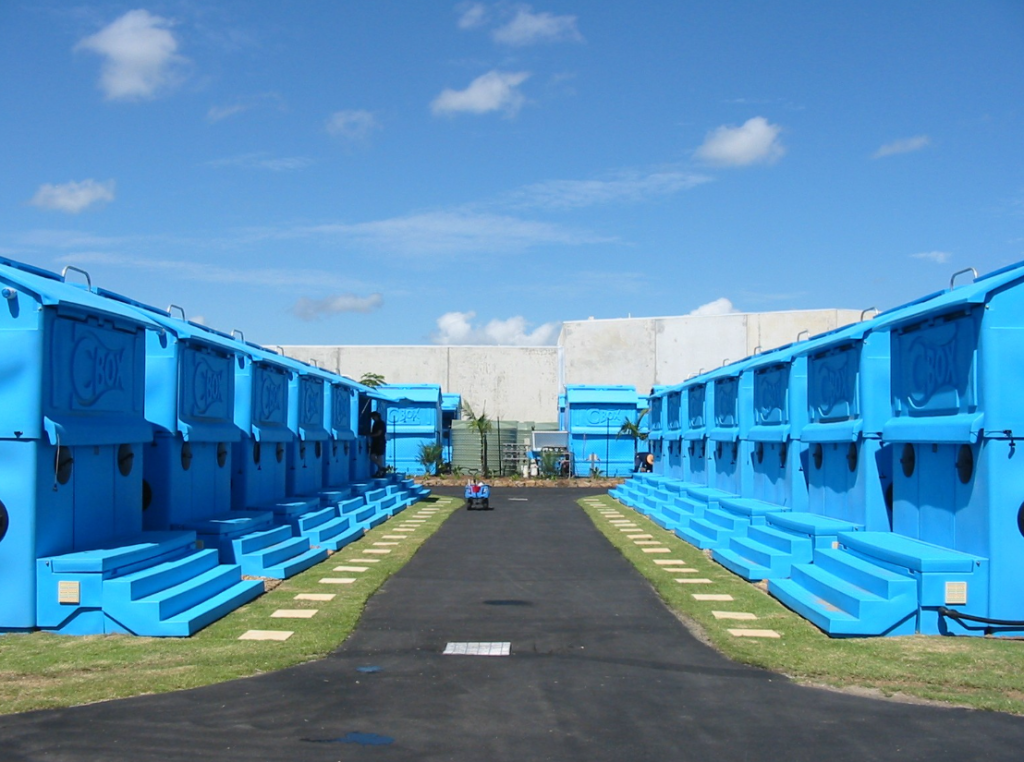
The inventor believes that aquaculture is about the water quality in which the fish live. The inventor has always treated the water as a living, breathing substance. The C Box was originally constructed in lightweight cement to test the carrying capacity of the five cubic metre system. View the first video, as this will give an indication of the densities of fish when viewed at night.
The C Box was finally built in High-Density Polyethylene (HDPE) food grade plastics and designed to continually recirculate the water for years. Additional water supply may be required due to due to natural evaporation. This climate-controlled recirculating aquaculture system contained around twenty new inventions at that time and was placed into patent in Australia and overseas. View the following videos to get an understanding of the original water processing aquaculture invention.
The Inventor Ian G Cummins drank a glass of water from these fish filled boxes daily. His philosophy was if “you cannot drink the water then don’t eat the fish.” If the water is polluted, then so is the fish!
Water Treatment – Blue Green Algae Eradication
CURRENT eV WATER TECHNOLOGY DEVELOPMENT
Ian and Jovita Cummins moved to the Philippines in June 2010 after building and testing a completely new water technology system which was initially named the “water dragon”.
The original water testing proved that this totally new water technology was very effective in annihilating bacteria and viruses, colour and odour. However, finding the extremely polluted water that Ian needed to test, such as polluted water carrying heavy metals and extreme levels of chemicals, was harder to come by in Australia. The family house was sold for capital requirements, and they moved to the Philippines, the polluted water capital of the world at that time.
Large human populations and small land area can generate extensive river, lake, and water carrying areas that become extremely polluted over time. In addition, it was observed that many companies were discharging their polluted waste directly into heavily polluted water in the rivers, lakes and streams. This extensive research and laboratory testing covered another twelve years. The Philippines’ water research company employed chemical engineers and environmental scientists. Their opinions concluded that we were creating oxidation, and in addition, creating advanced oxidation, then extreme advanced oxidation. This was possibly due to their university education which had taught them that you cannot annihilate atomic elements unless you split them.
The testing was continually showing that heavy metals, chemicals, pharmaceuticals, and hormone elements were being drastically reduced or totally annihilated/ionized. At times, we did pump the test water too fast through our small laboratory systems, not allowing enough contact time within the reactor chambers. We later discovered that the 220-volt power being delivered to our factory was fluctuating from 130 volts to 220 volts and this had drastic effects on our small eV free flowing systems. What we were starting to consider, was a type of plasma reaction, however in hindsight, we should have realized this would not work, as the reaction was not producing heat. In 2023, the health of Mr Cummins was deteriorating due to severe skin cancer issues as such, the decision was made to return to Australia.
While back in Australia, Ian Cummins had another realisation, and this has led to the discovery of ElectronVolts (eV) electron-positron subatomic particle (antimatter) annihilation gamma-ray generating water technology. The eV technology requires only around 3 to 5 kilowatts of energy to generate more than 15.000 eV. Unlike Linear Accelerators which require more than 300 kilowatts to generate around 7 eV in a sealed beam operating in air.
CumminsCorp’s International Patent Applications are for water-based eV systems producing scattered blue eV. This is generated from electron-positron subatomic particle annihilating (antimatter), gamma-ray induced lightwaves which not only annihilate all unwanted elements mentioned previously but easily exceed 25.000 eV (electron-volts). This will also generate energy during this process reducing the energy required within the reactor chambers. No, or very little heat, is produced, with water leaving the system and showing zero radiation. Black water turns clear, every virus and bacteria known is annihilated in seconds.
Desalination
No heavy metal, chemical, pharmaceutical or hormonal contaminants can survive the MeV process. However, certain reactions such as the pH levels, which rises to alkaline without additives being required, if the pH is too low. In addition, if the pH is too high, for example 14, it will be reduced to a pH of 7.5 to 8. Sodium Chloride (NaCl) seawater becomes fresh potable water in minutes. While free flowing through the MeV Reaction Chambers, without membrane filters, the Sodium (Na) is annihilated at an MeV level of 5.139 and the Chloride (Cl) is annihilated at 12.968 MeV. The result is beautiful tasting purified potable alkaline water. CumminsCorp MeV systems DO NOT BACKWASH! If the atomic elements are annihilated/ionized, then there is no substance to discharge. No atom, no substance.
The most powerful point is that no backwash is generated and no salt brine is returned to the ocean, this is because if there is no atom then there is no substance, the power of the CumminsCorp “MeV” technology will change the world, this world changing invention will allow the deserts to be irrigated at very low cost, never again will the 177 countries with ocean access ever be short of water again. Imagine 1 ton or 1 cubic meter, or 1,000 litres, or 250 gallons of seawater can be desalinated for a cost price of just $0.25 cents or 1 kilowatt of electricity and producing zero backwash!
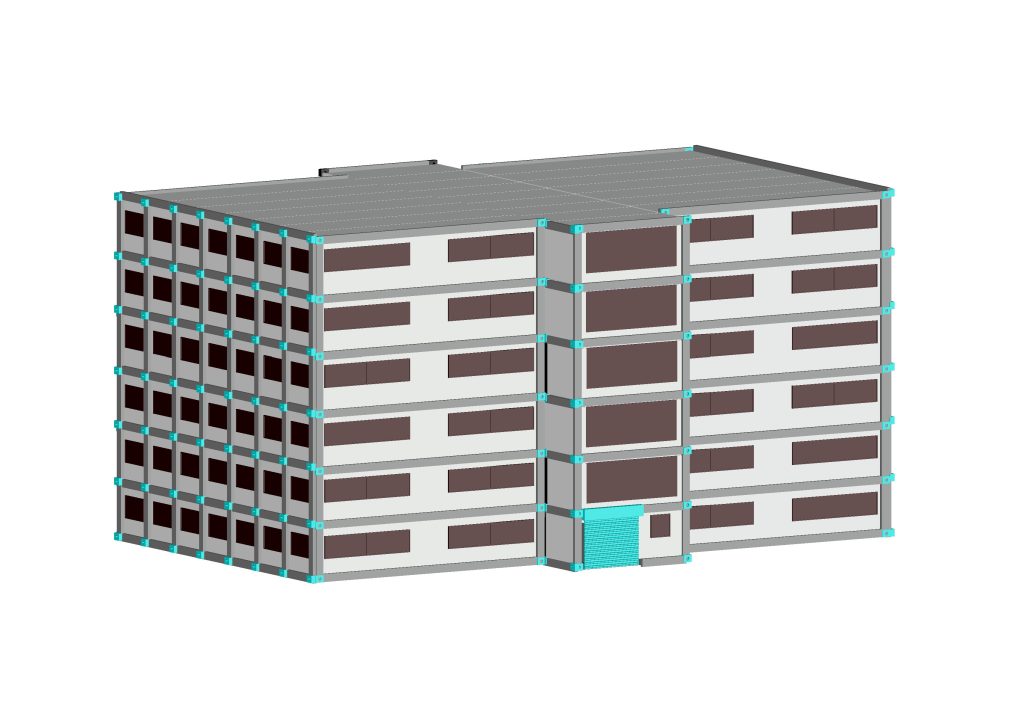
“WHY NOT JOIN US AND SAVE THE WORLD TOGETHER”
ALL POLLUTED WATER CAN BE TREATED BY CUMMINSCORP eV WATER TECHNOLOGY AT LOW-COST TO REUSABLE OR BACK TO POTABLE WATER STANDARDS
THE FOLLOWING ARE JUST A FEW EXAMPLES:
- Desalination, low-cost, and does not produce any salt brine discharge.
- City Water Treatment with “eV” chemical free technology to purified potable water standards.
- Sewage water renewal to safe reusable or potable water standards.
- Heavy Industry discharge water renewal for continual reuse.
- Mine Water Discharge “eV” treatment for continual reuse.
- Textile industry “eV” clothing chemical dye Annihilation.
- Forever Chemical Removal (PFAS).
CUMMINSCORP H2O AUSTRALASIA PTY LTD
- Cummins “eV” Low-Cost Desalination Systems.
- Cummins “eV” Chemical free, and membrane free water purification.
- Cummins “eV” Desalinate without membranes. (Cummins Energized Cold Plasma “eV” is not a filtering system, no backwash).
- Cummins “eV” can destroy toxic heavy metals.
- Cummins “eV” destruction of chemicals at an atomic level.
- Cummins “eV” Sewage water to potable water standards if desired.
- Cummins “eV” can destroy PFAS, 245T Agent Orange, Forever Chemicals, or any Virus, or bacteria including color and odor.
GreenCummins Energized Cold Plasma “MeV” Hydrogen (H2) Production
- Cummins Energized Cold Plasma “MeV” Green Hydrogen Reaction Chambers are Currently under construction.
- Cummins Energized Cold Plasma “MeV” Hydrogen Producing Generators have the ability to produce Low-Cost Hydrogen.
- Cummins Energized Cold Plasma “MeV”, creates no heat, are Low pressure, and Low-Energy “this is not electrolysis”
- No wind generators or solar panels are required.
- Cummins Energized Cold Plasma “MeV” will produce Hydrogen from Hydrogen Fueled Powered Generators or Fuel Cells, just Hydrogen Producing Hydrogen, how green can you get!
- Full commercial system testing will be underway over next 120 to 150 days, further testing will be carried out on flow volumes, and energy consumption verification.
Our Vision
As a company we have one vision, that is to protect the Earth’s most important resource, by licensing and selling this green breakthrough in technology. Water is vital for the planet as the foundation of all life.
Our Mission
Our mission is to become a world leader in innovation of green climate changing technologies for the benefit of the world’s entire ecosystems.
Our Future
Purify the world's water for all ecosystems. Effectively removing toxins, microplastics, pathogens, and excess nutrients from rivers, oceans, and groundwater. This would result in an unparalleled restoration of global biodiversity, reversal of environmental degradation, and a significant improvement in human health.
Save the planet, and you Save the people
Producing hydrogen utilizing electricity produced from carbon-based fuels is totally impractical and will exacerbate the global warming climate crisis. Large expensive solar and wind farms are not the answer, as the sun does not always shine, and the wind does not always blow.
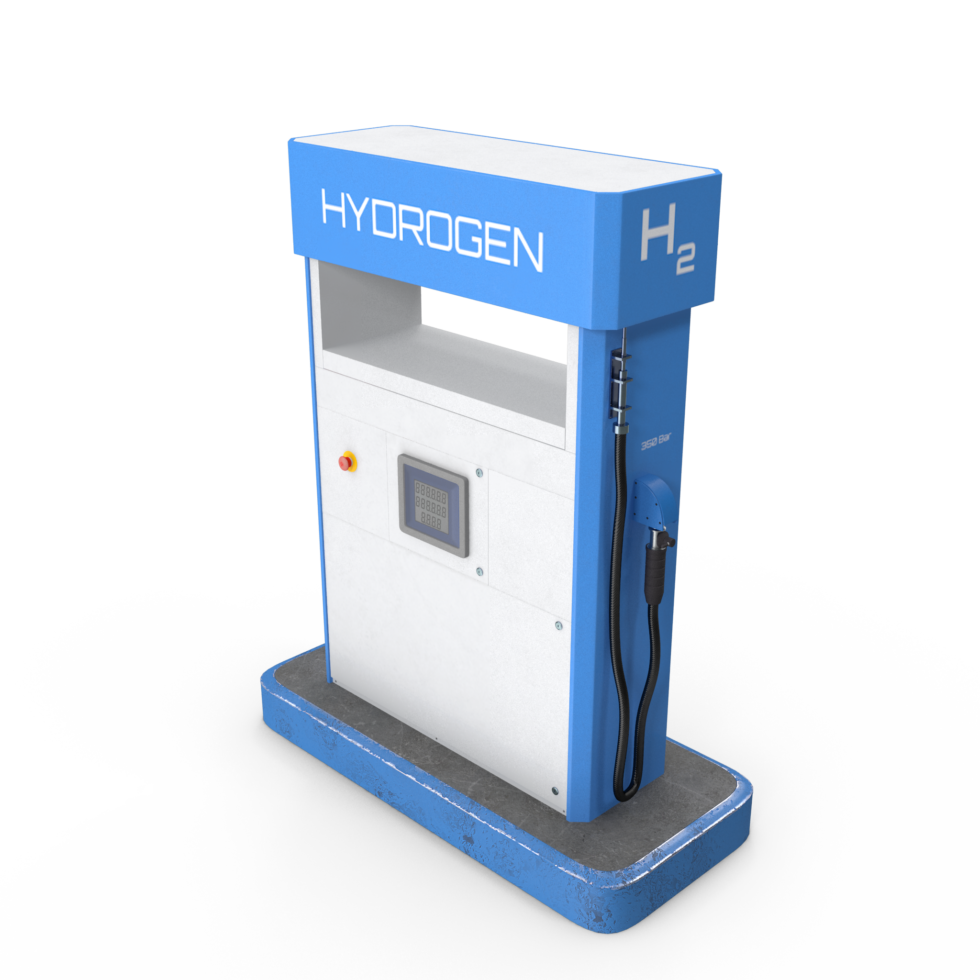
“MeV” Green Hydrogen Generation & Decarbonizing Technology Breakthrough
Powerful Energized “MeV” Reaction in water, this energized reaction has the ability to break down and separate many elementary structures.
Coal Fired Aquaculture into Green Decarbonizing Carbon Free Plants
Turning any coal powered power station green and may become eligible to create carbon credits while decarbonizing the planet, all while burning coal
“MeV” Green Hydrogen Generation & Decarbonizing Technology Breakthrough
Powerful Energized “MeV” Reaction in water, this energized reaction has the ability to break down and separate many elementary structures.
Coal Fired Aquaculture into Green Decarbonizing Carbon Free Plants
Turning any coal powered power station green and may become eligible to create carbon credits while decarbonizing the planet, all while burning coal